Where My Interest in Technology Began

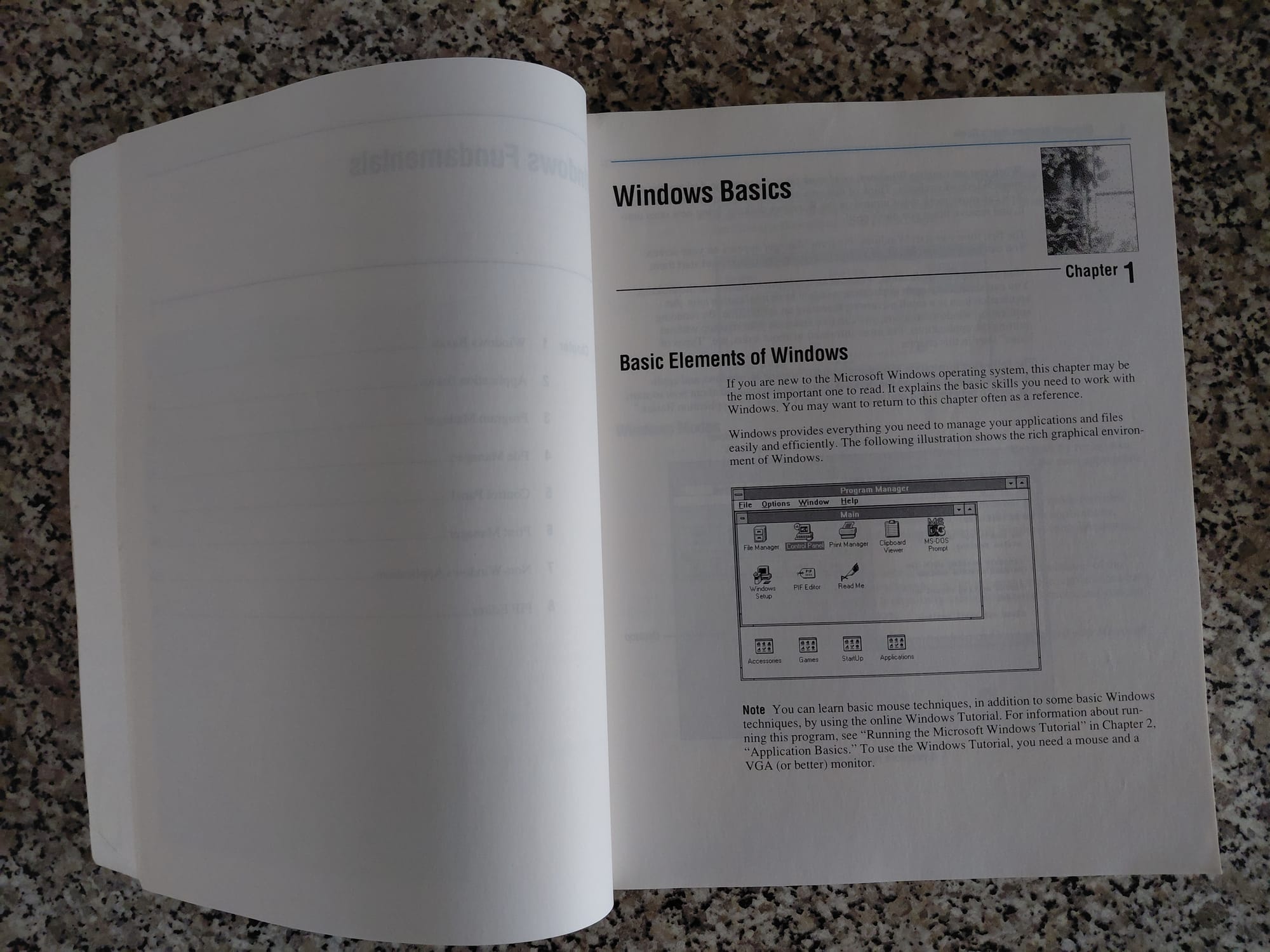
My interest in technology didn't stop at radio. During the 1990s, my dad ran his business from home and had a dedicated workspace in the corner of our living room, right beside the front window. It was there that he used an Intel 386-based computer running Windows 3.1, along with a fax machine and a distinctive dot matrix printer.
I can still remember watching him work and being fascinated by the computer's graphical user interface. I wasn't pulling computers apart or tinkering with hardware at the time, however, those early memories probably laid the foundations for the interest in technology that I have today.
Around the same time, I was lucky enough to own an Amiga 1200, which remains one of the computers I remember most fondly. I spent countless hours playing games, with It Came from the Desert being my absolute favourite. For some reason, that game scared the life out of me, yet I kept coming back to it again and again. Looking back, it was probably the combination of suspense, giant ants and great storytelling that made it such a memorable experience.
Although I didn't realise it at the time, those early experiences with the Amiga helped nurture a fascination with technology that would eventually lead to my interests in IT, Linux, networking and amateur radio.
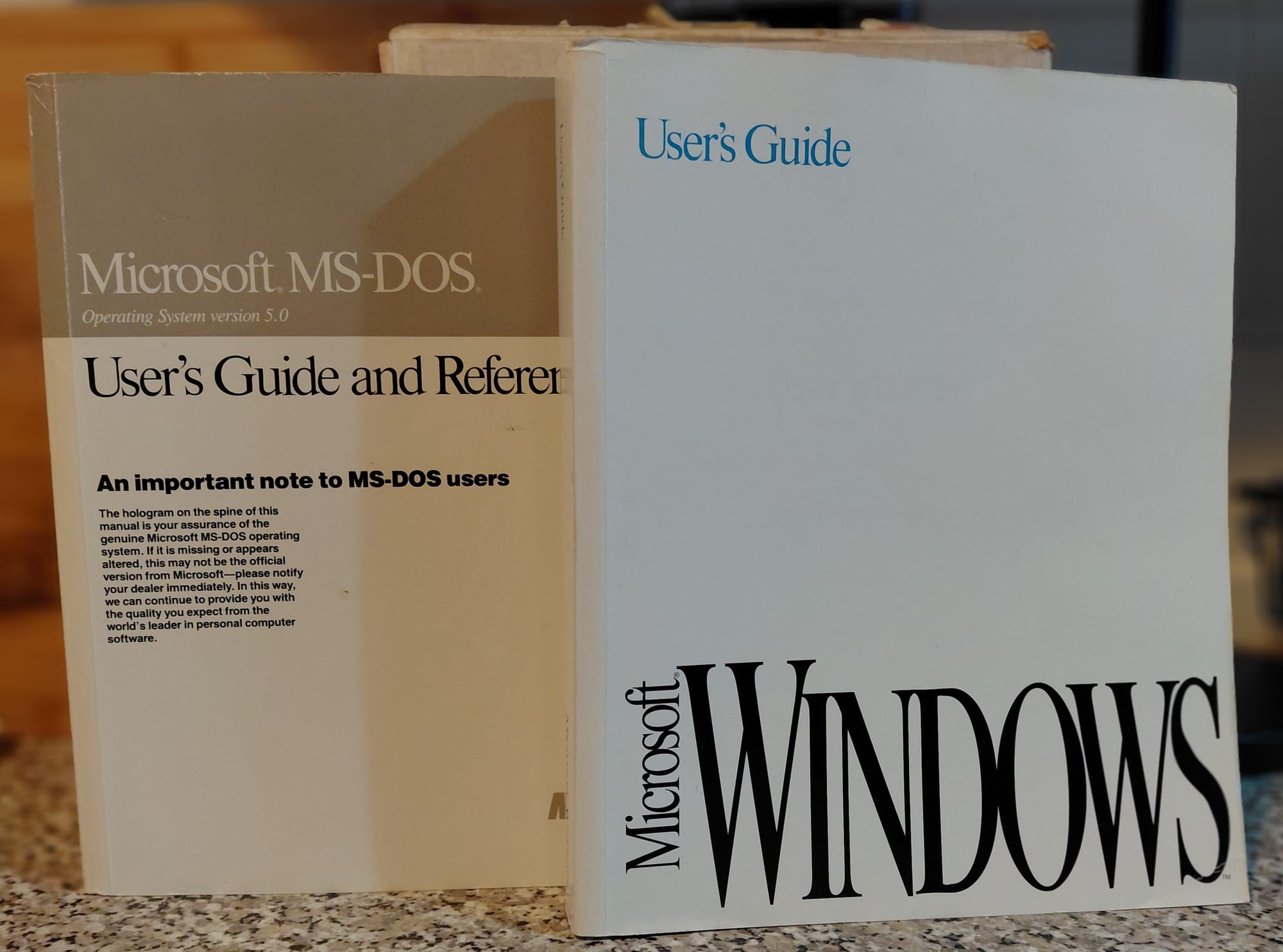
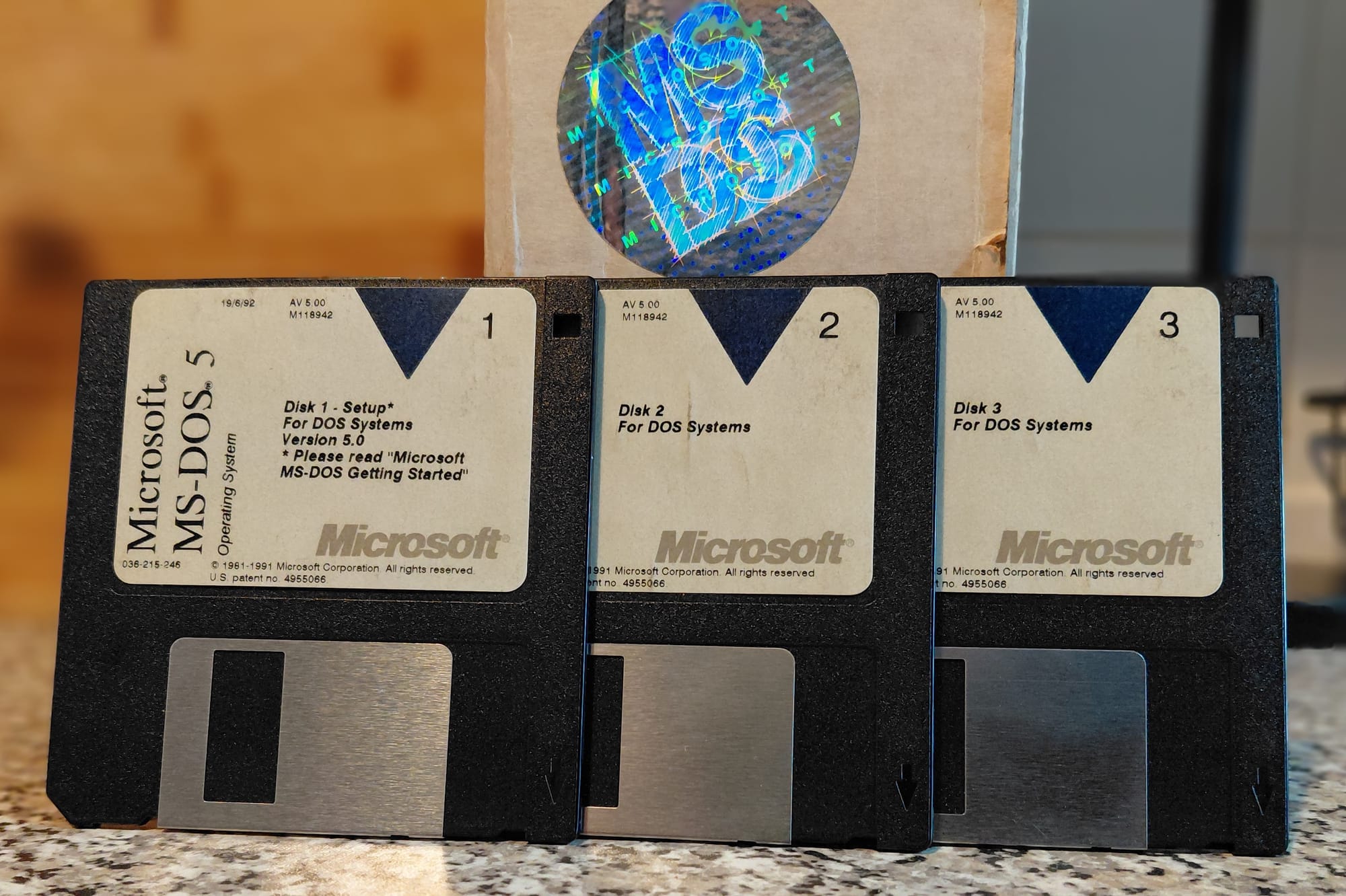
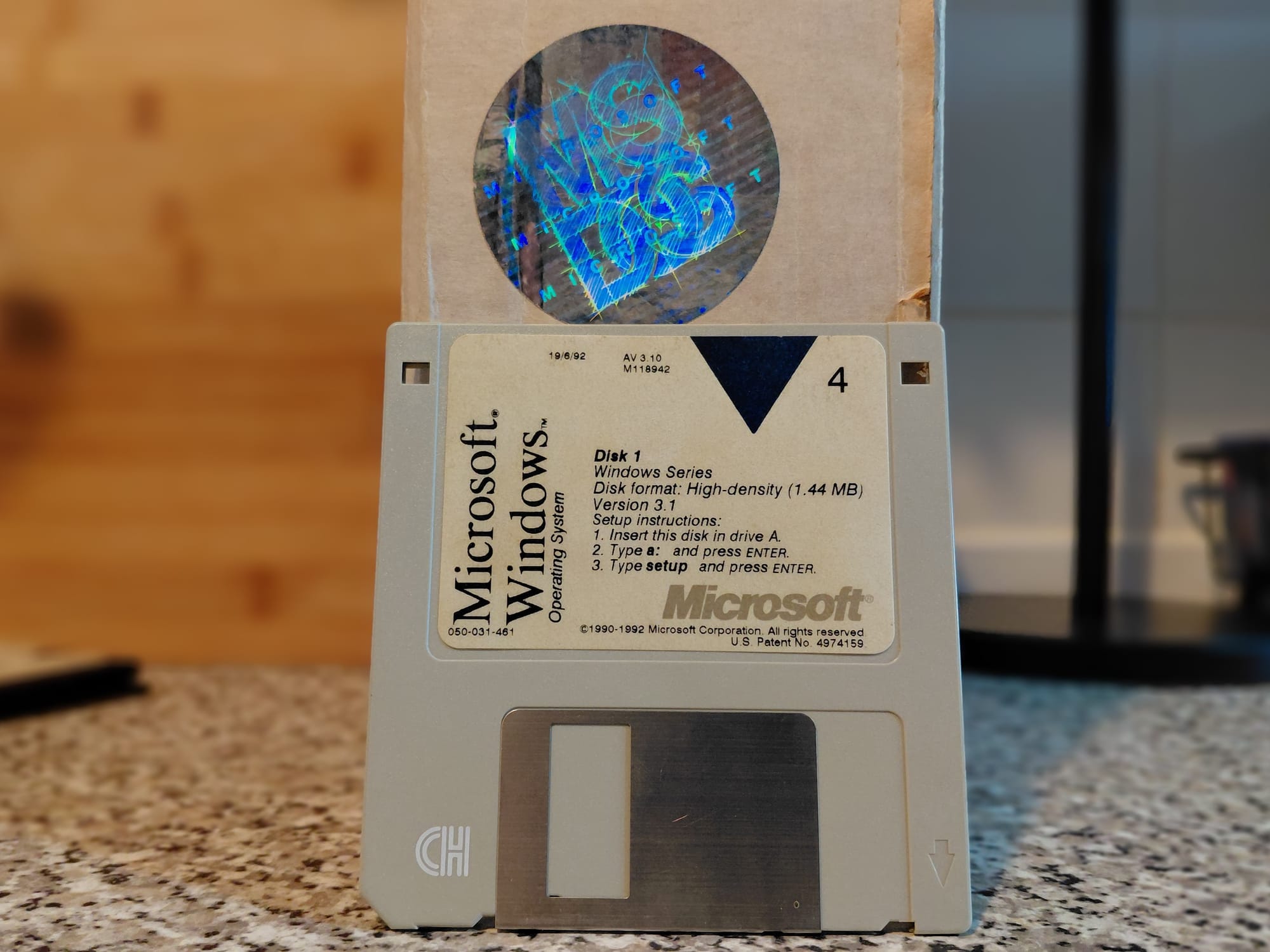
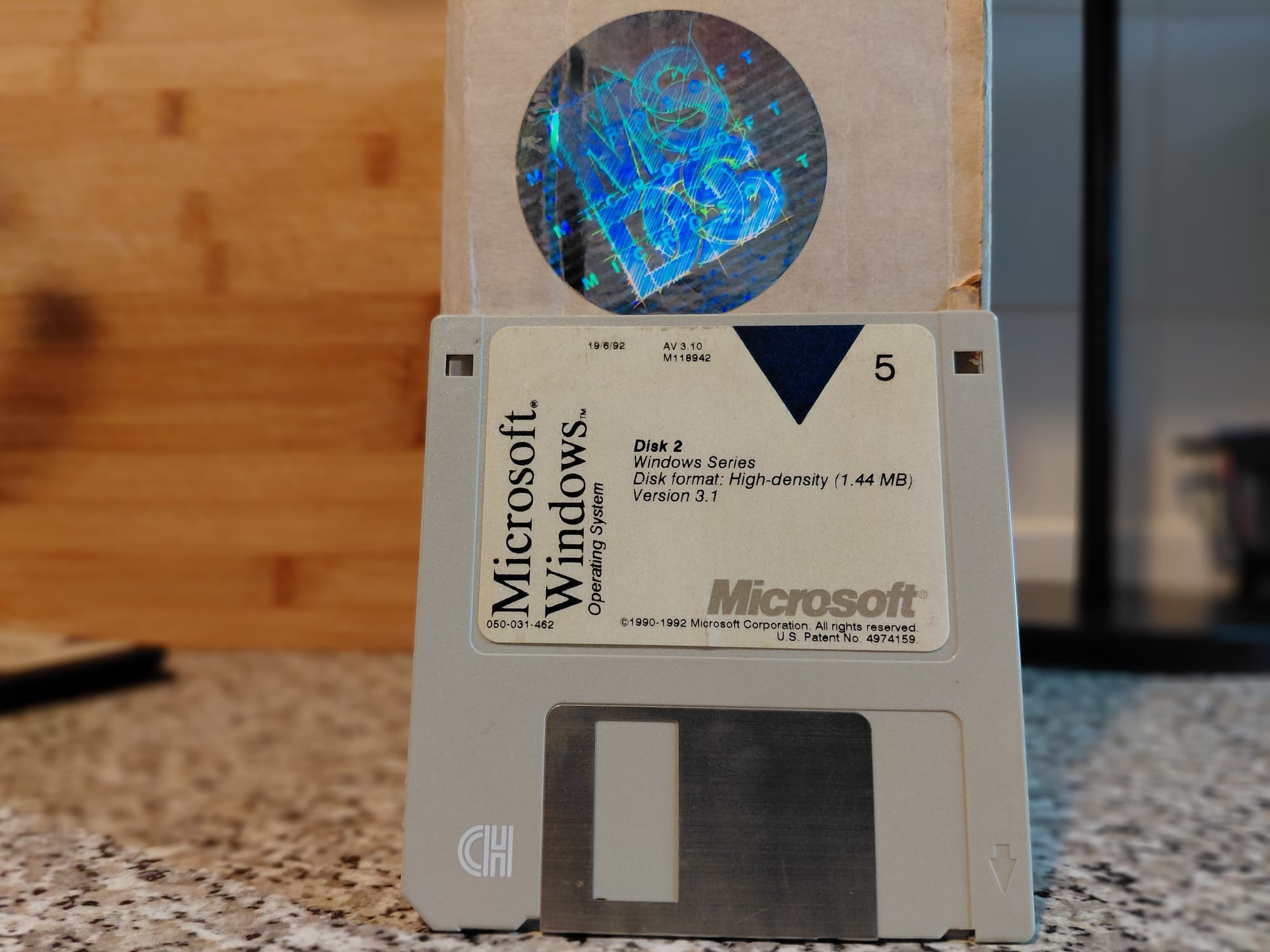
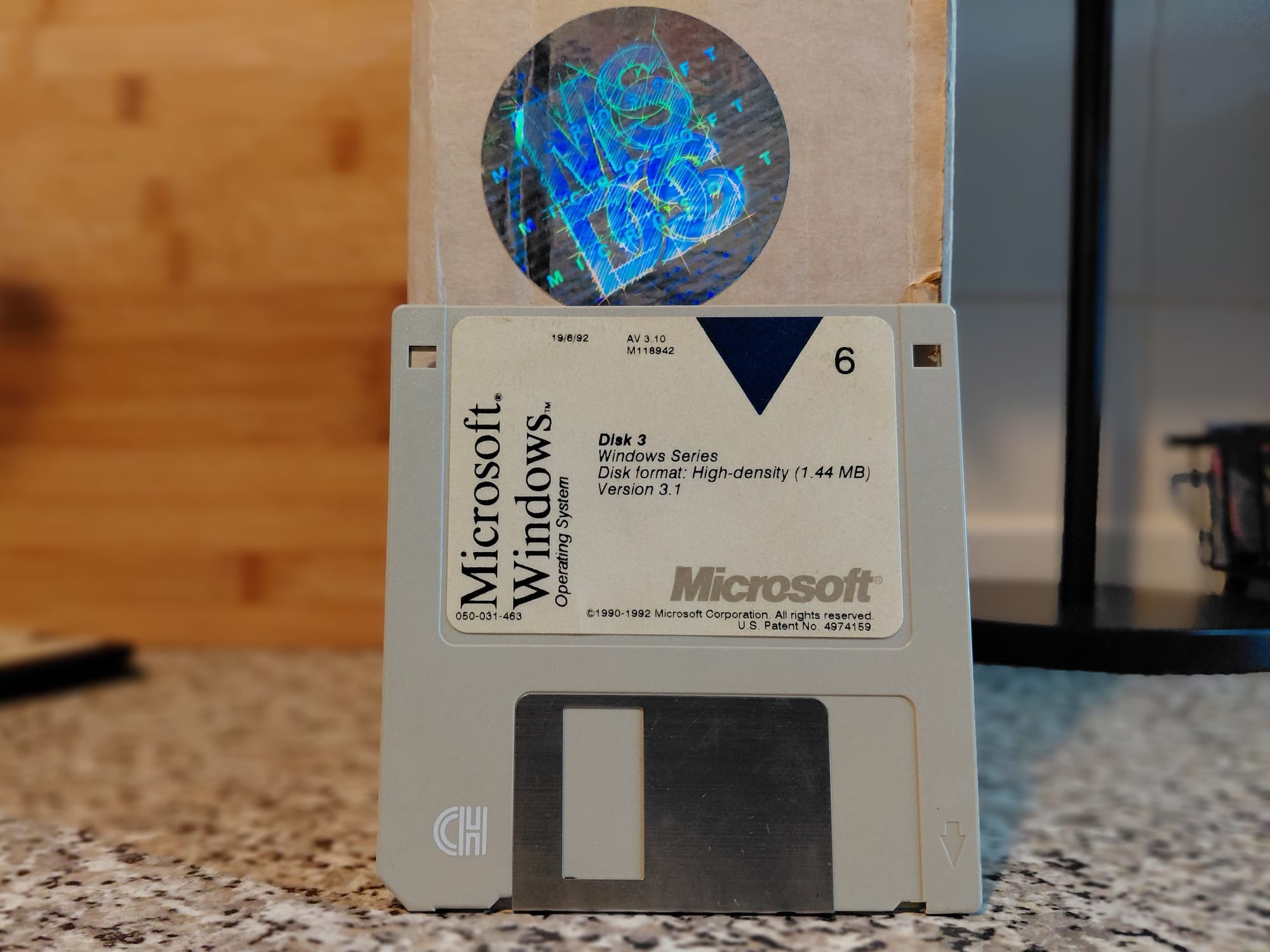
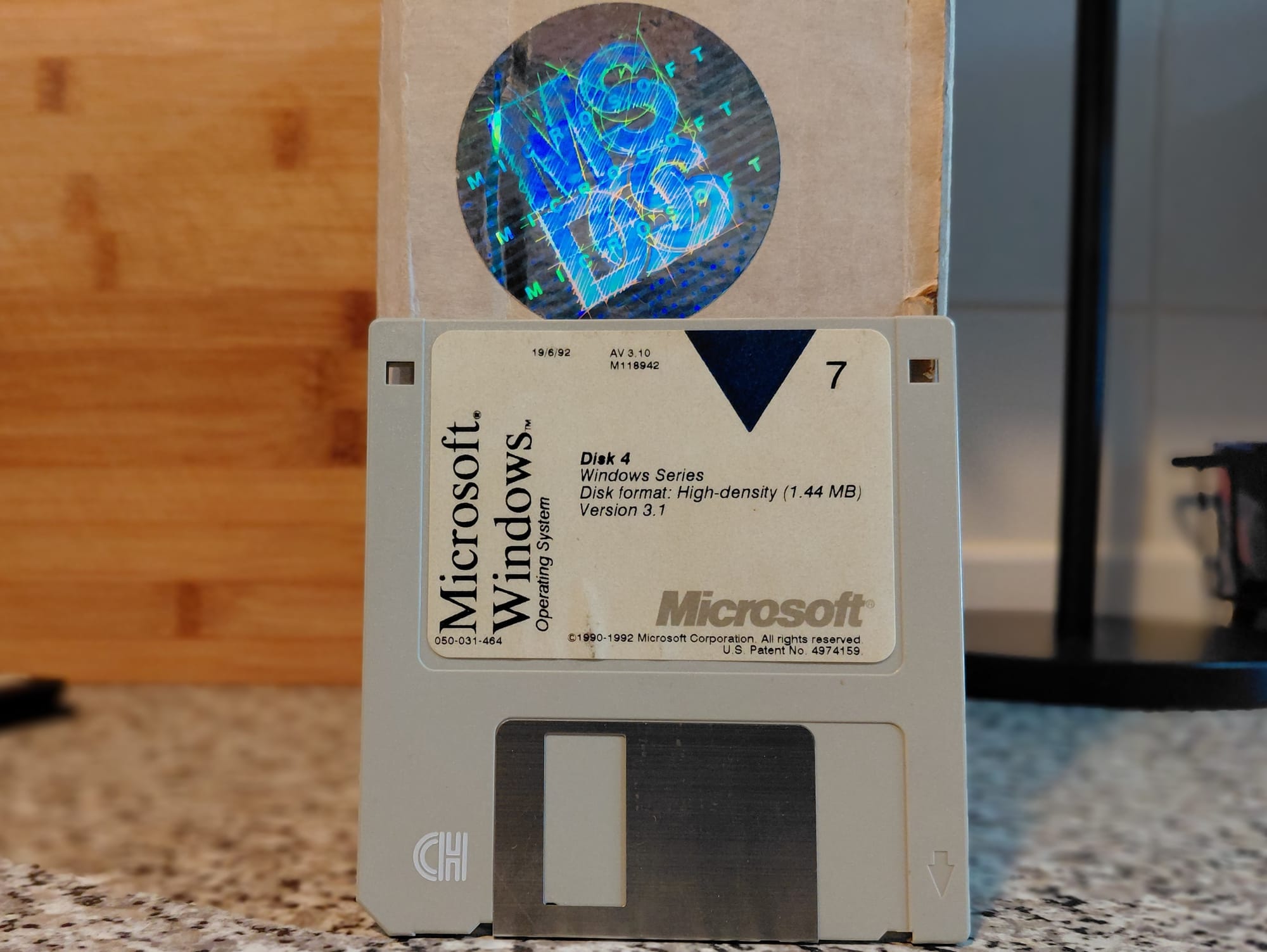
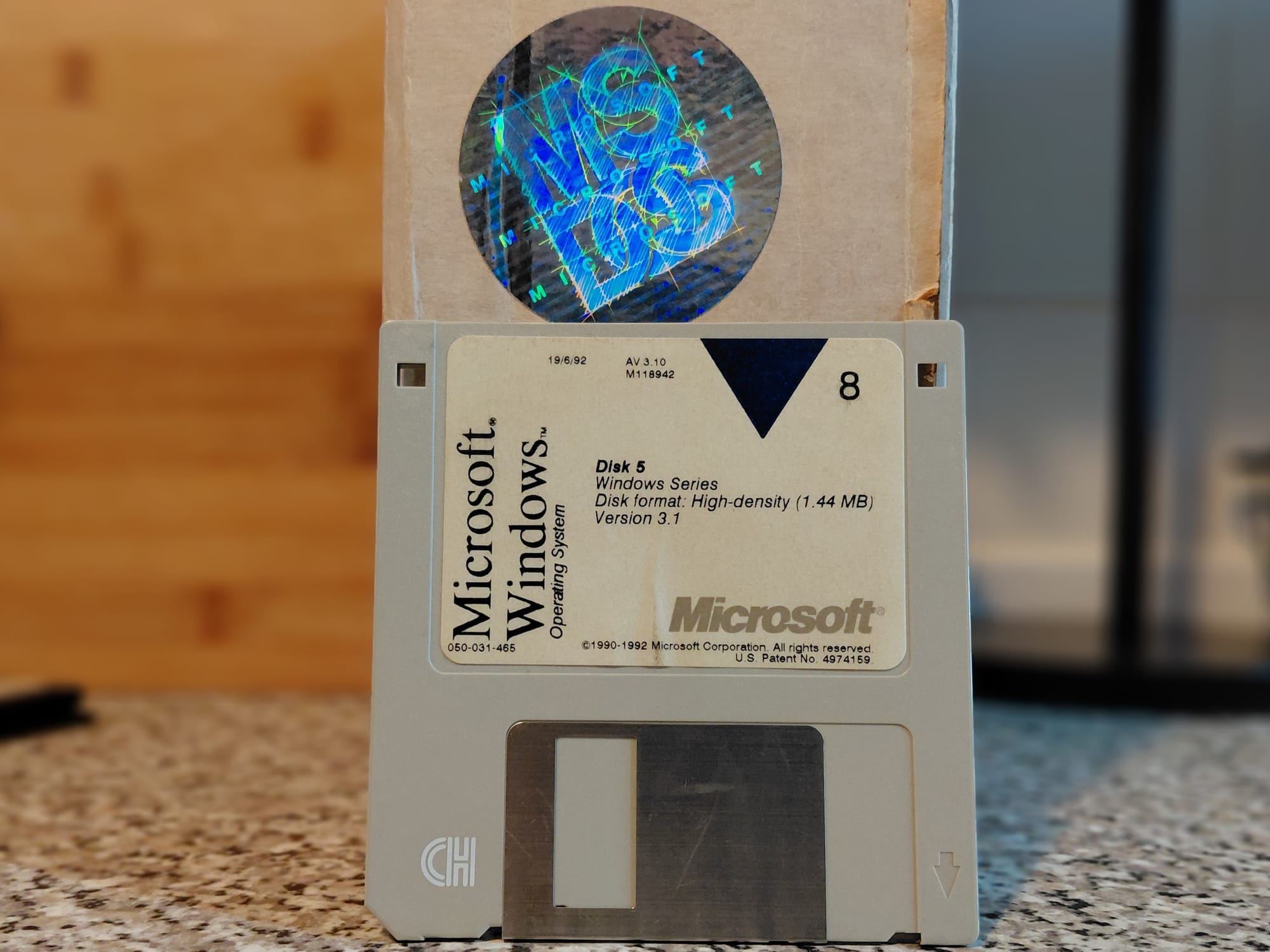
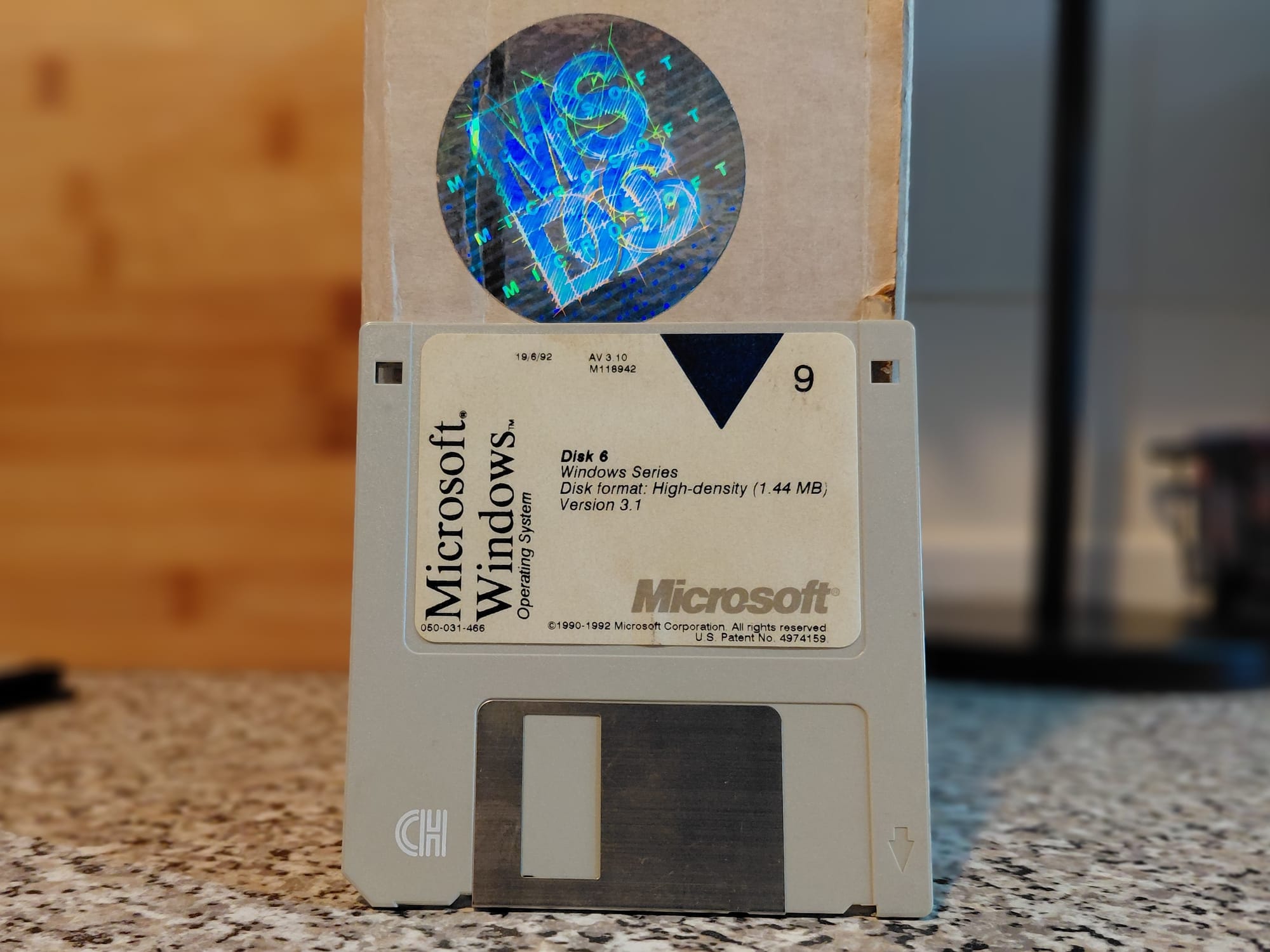
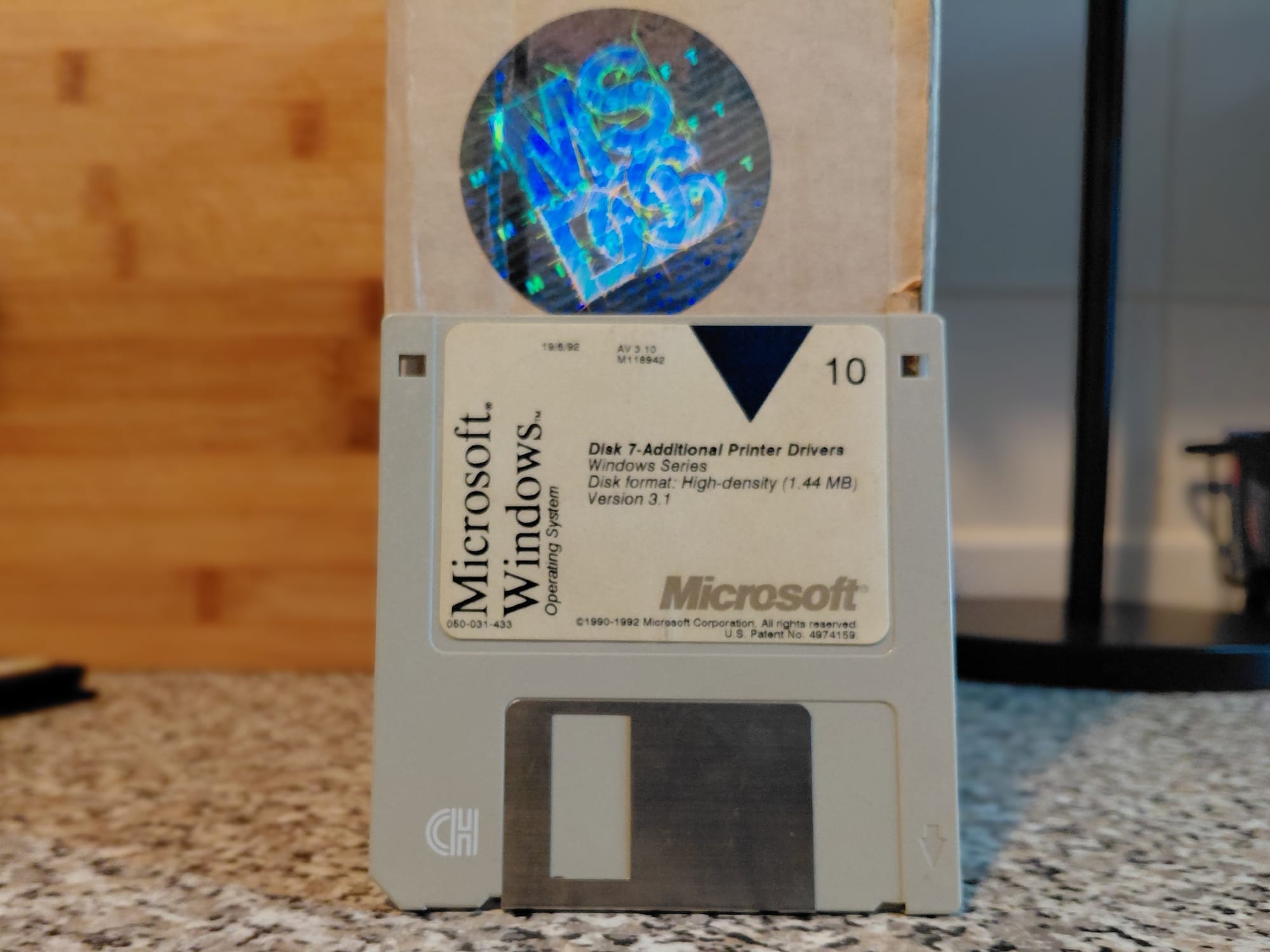
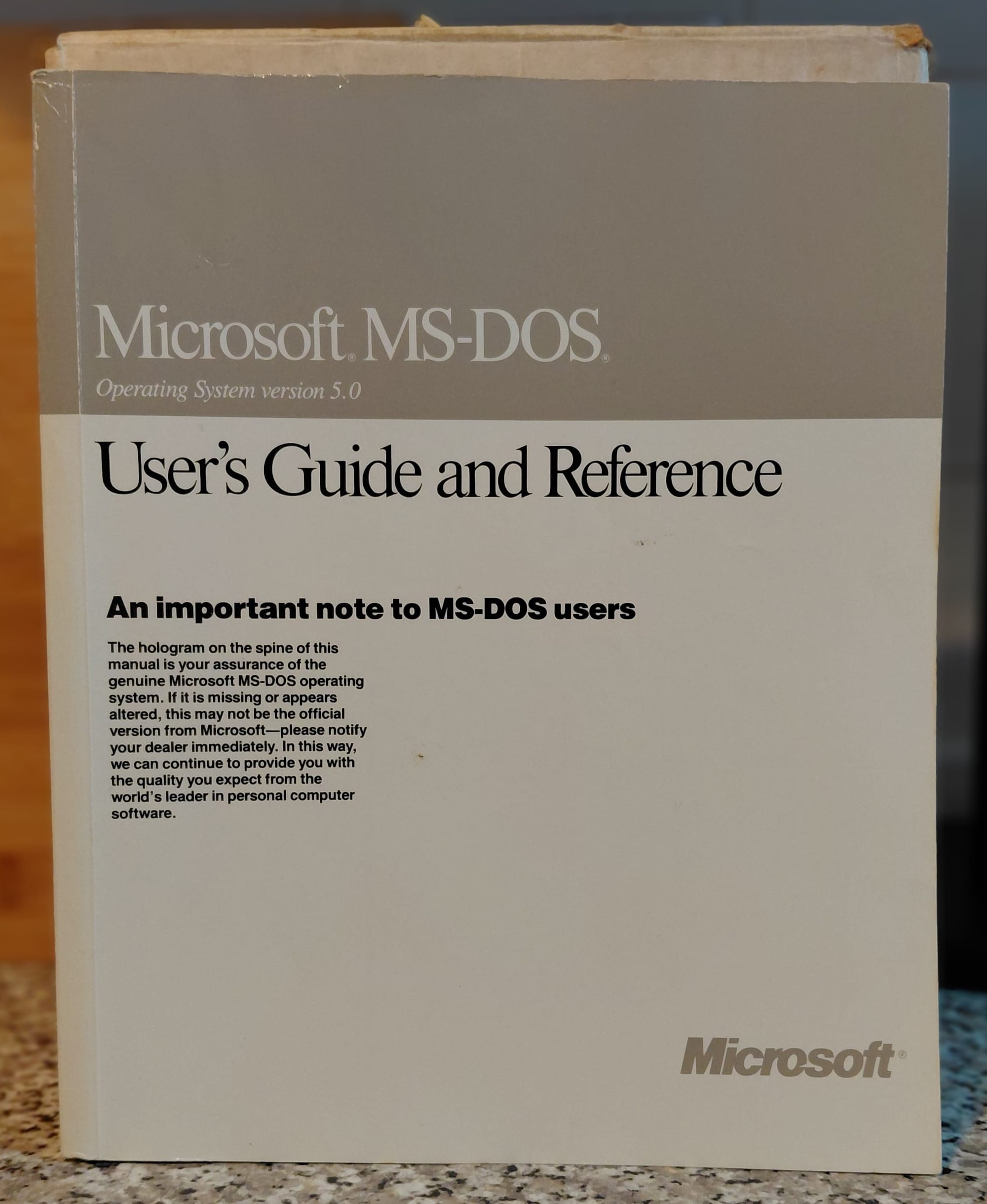
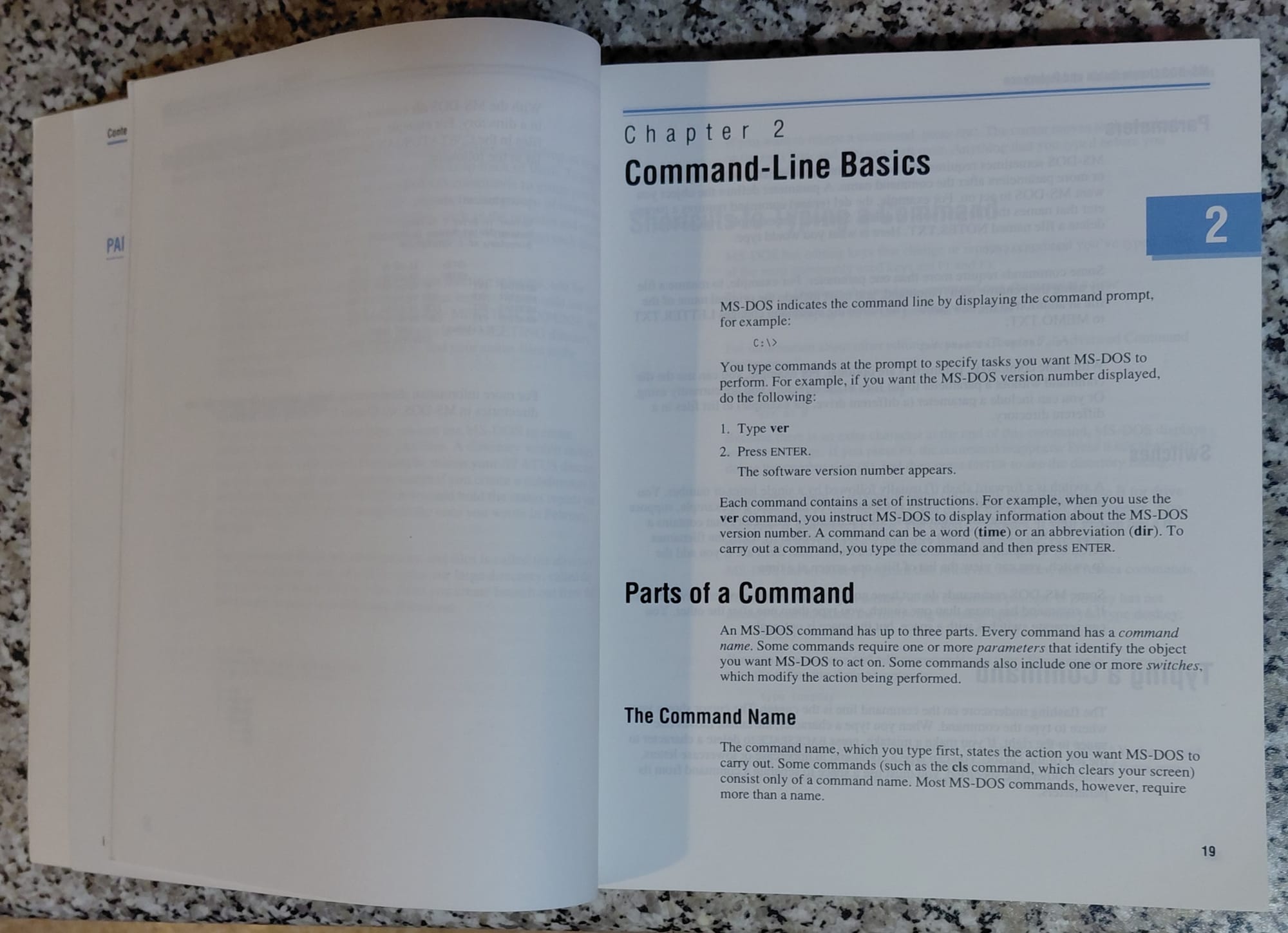
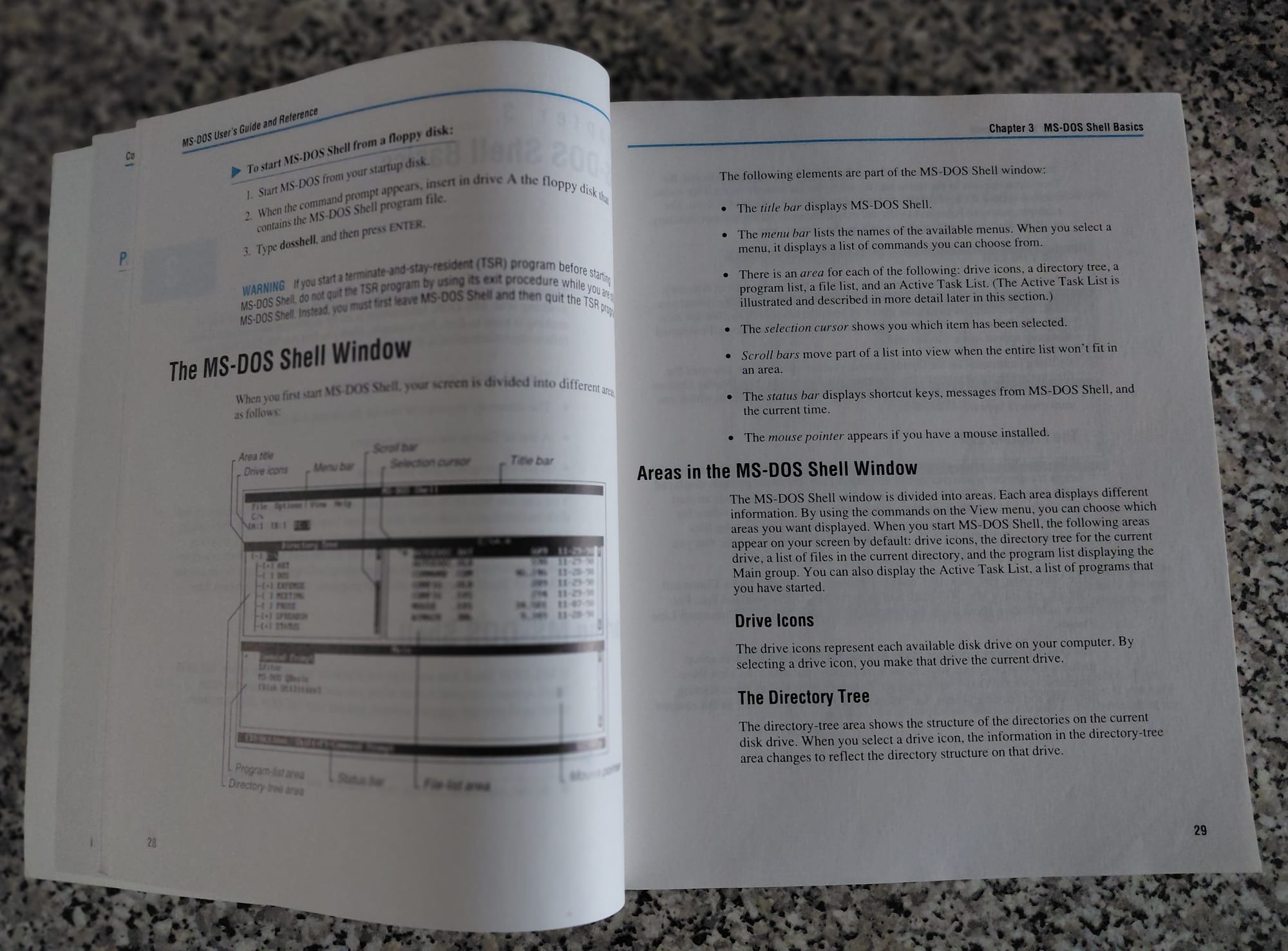
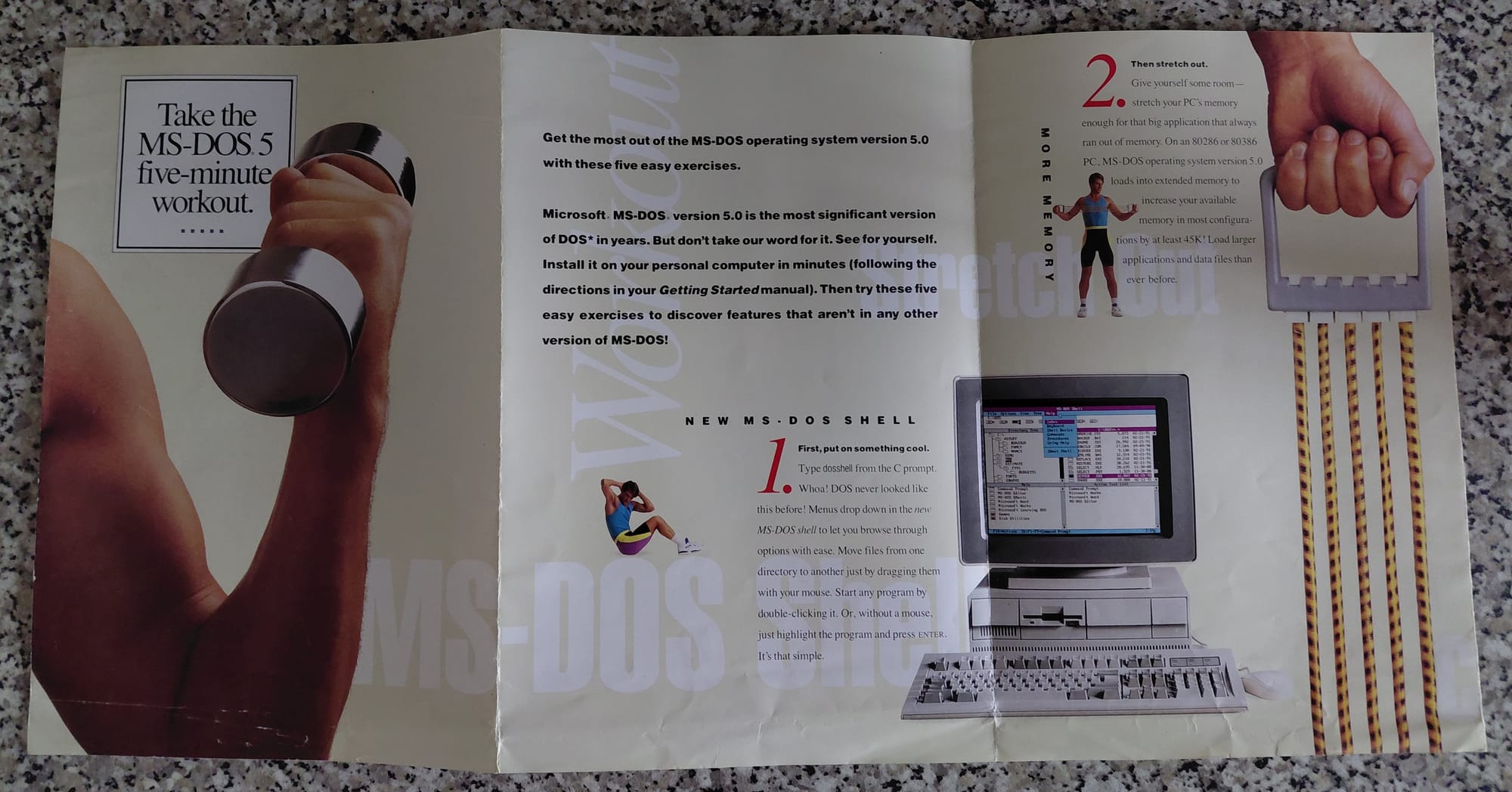
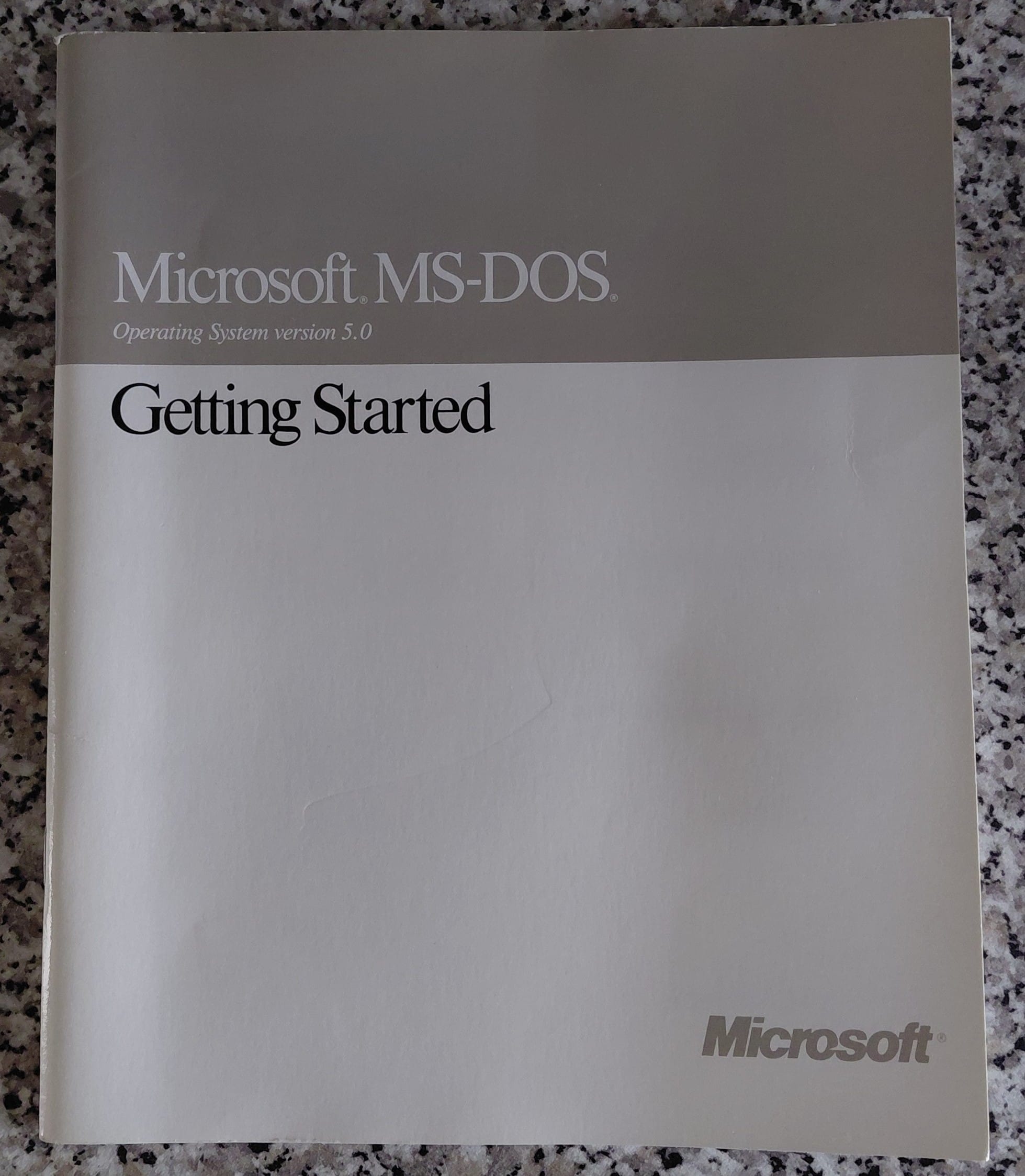
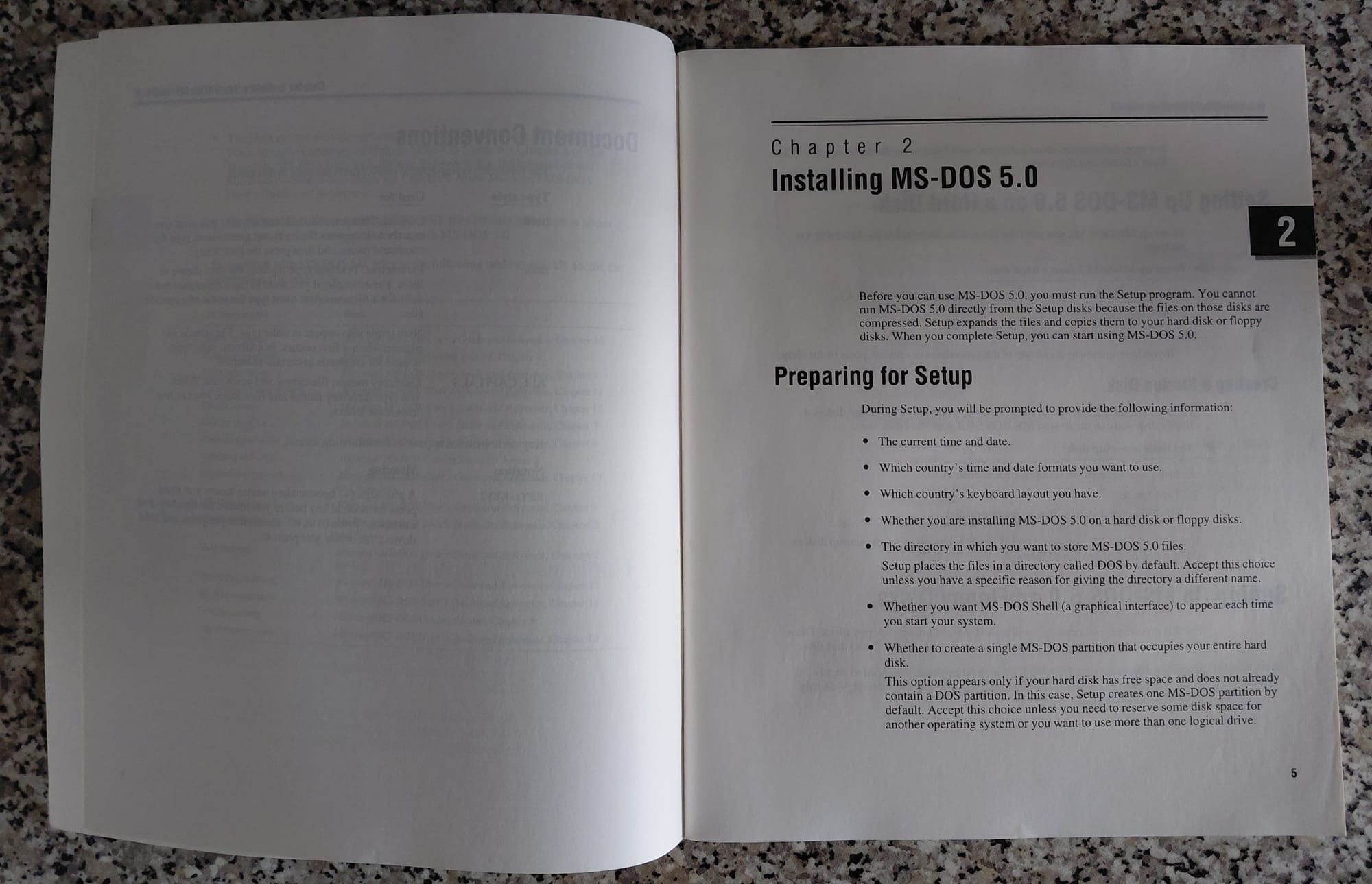
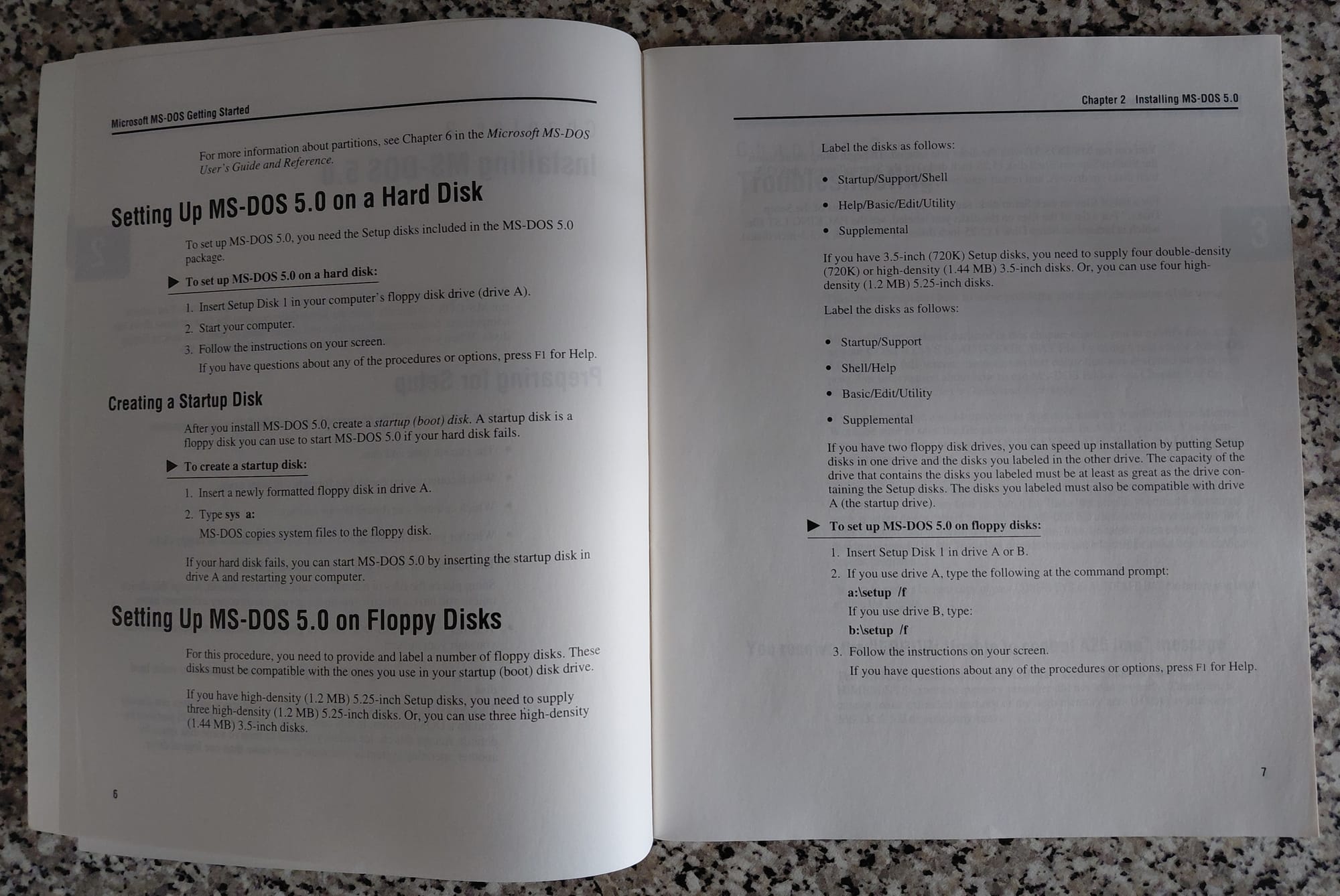
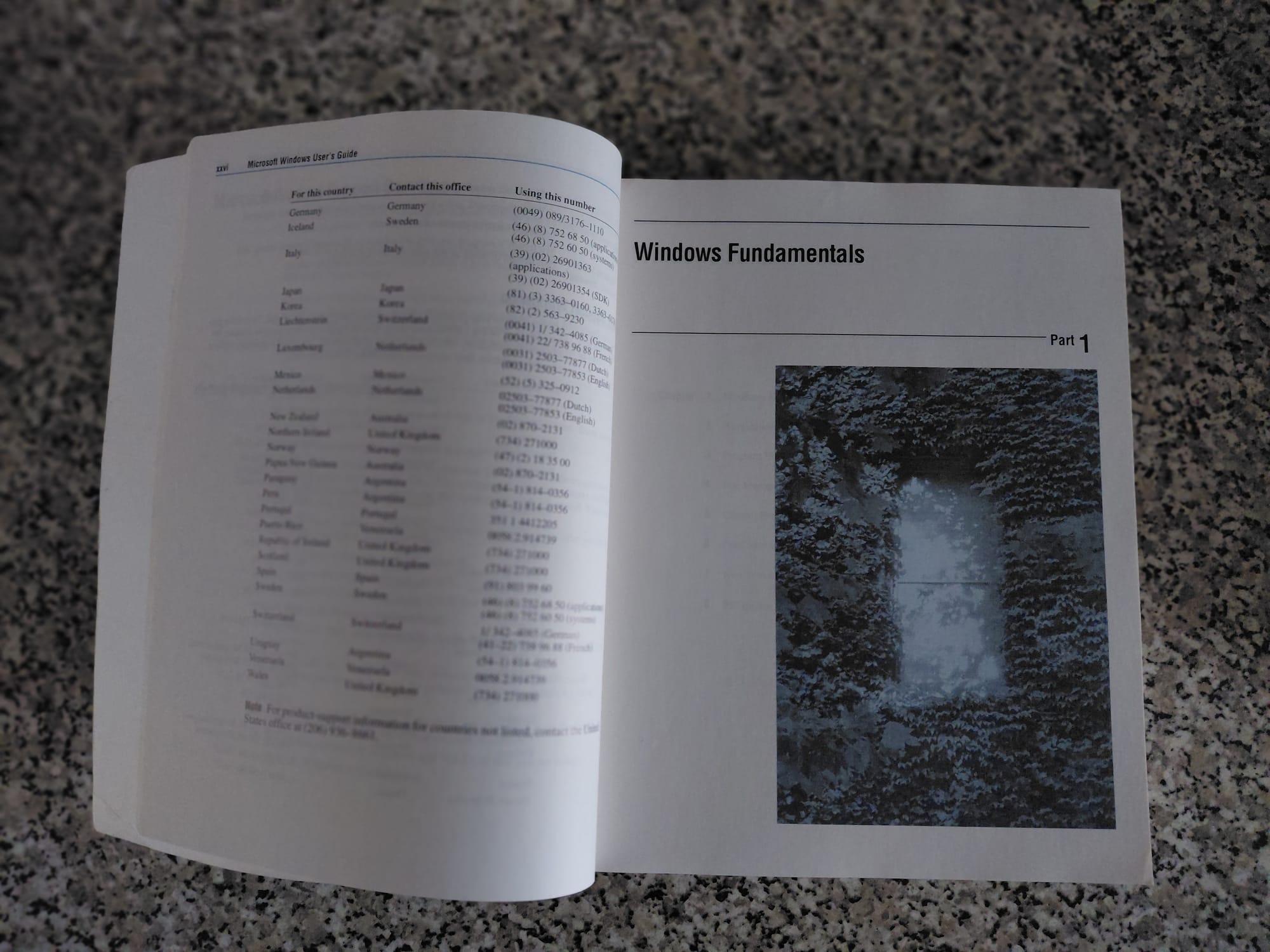
As a reminder of those days, we still have the original Windows 3.1 and MS‑DOS installation floppy disks, with a box sticker dated 2 June 1992, making them 34 years, 2 months, and 18 days old as of today, 10 September 2026. Opening the box feels like opening a time capsule from the early 90s.
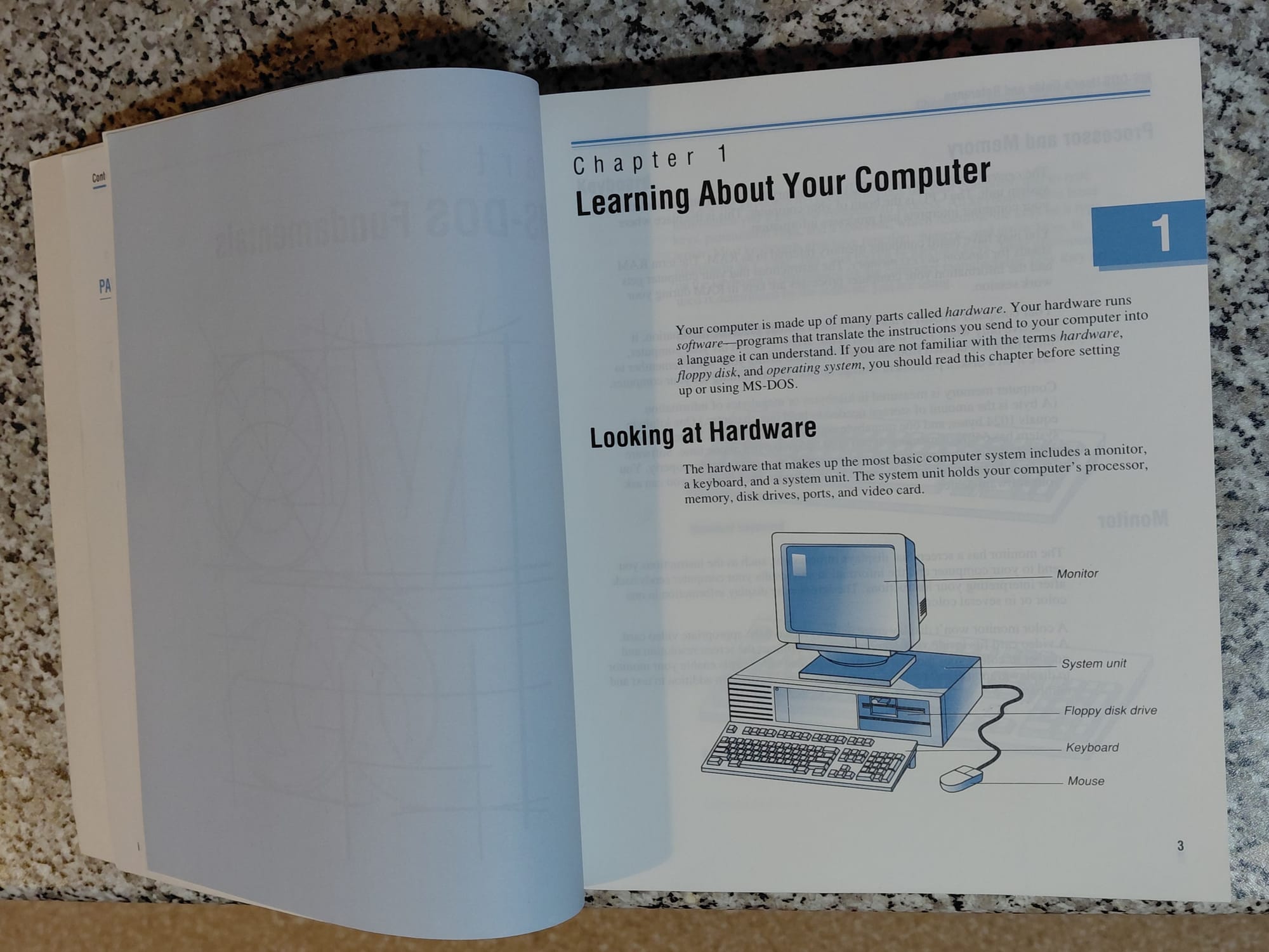
Windows 3.1 and MS‑DOS 5.0 weren’t just software; they were the foundation of how millions of people first learned what a computer was. These disks and manuals are more than old technology; they’re a genuine piece of computing history from the era when PCs shifted from hobbyist machines to everyday household tools, complete with the iconic Program Manager, File Manager, TrueType fonts, and the classic MS‑DOS environment that powered it all.